
Become an audio plugin developer even if you’re a complete beginner
Learning how to create audio plugins (VST3, AU, AAX, …) for digital audio workstations (Ableton Live, Steinberg Cubase, …) is difficult.
Not anymore.
Join the free audio plugin development course with JUCE to create your first plugin easily, even if you aren’t a programmer or a DSP engineer.
Sign up for the free courseHow to develop audio plugins (VST3, AU, AAX, etc.)?
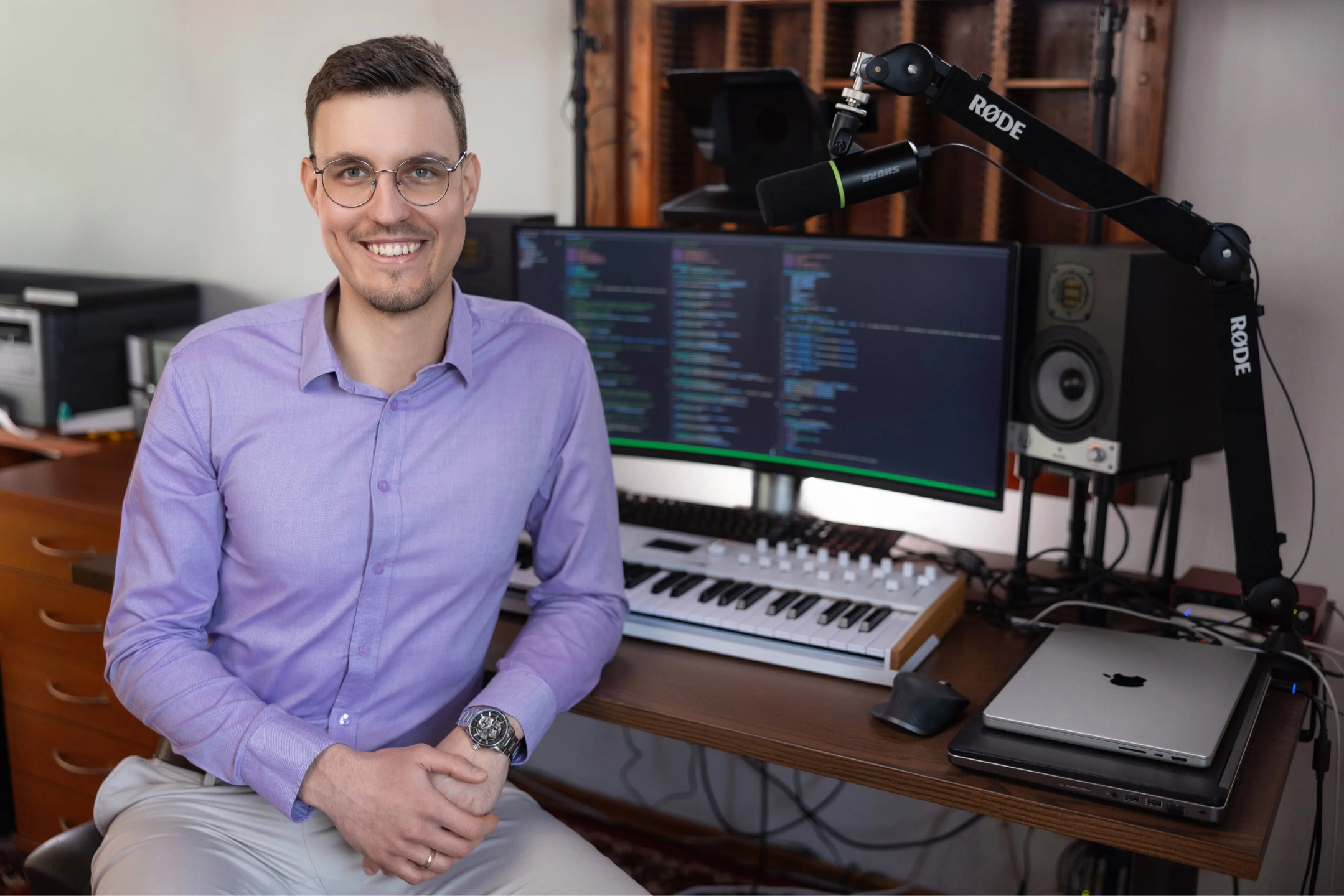
If you are a music producer, sound engineer, musician, or hobbyist, you have probably used a digital audio workstation (like Ableton Live, Steinberg Cubase, or Reaper) with audio plugins (like EQ, compressor, distortion, reverb, or synthesizer).
You may have wondered how to create such a plugin yourself. Maybe you have even tried developing one.
Most likely, it felt confusing and complicated: where to start?
You have browsed the internet, you’ve looked through books and YouTube videos, but you never really “got the big picture.”
The information is out there, but it’s not organized into a structured, coherent learning path.
If you have tried learning audio plugin development on your own, you have probably realized that there are quite a few “big” topics that you must learn to proceed:
- C++
- digital audio signal processing
- audio effect algorithms
- sound synthesis
- particular plugin formats
- user interface development
- cross-platform concerns
- parameter management
- plugin testing
- plugin distribution
- and more…
It seems like a never-ending story; which path to follow? Is the thing you are creating even correct?
This course cuts through the noise to provide a single point of reference:
✅ What to learn
✅ What to do
✅ What to avoid
✅ How to create a plugin from scratch and prepare it for distribution
The secrets of audio plugin development
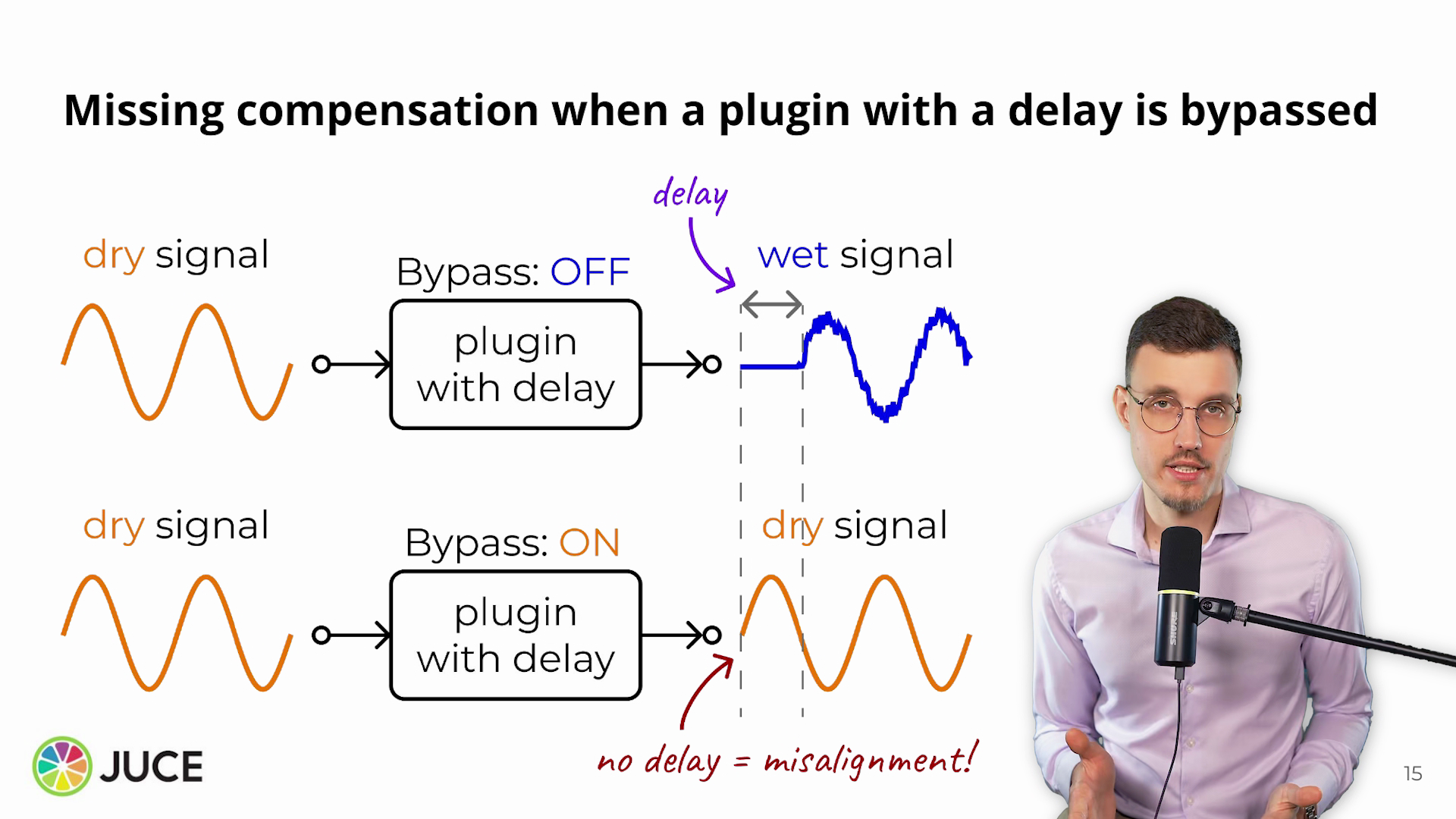
Audio plugin development follows certain principles that differ from those of “regular” software development.
Although nothing hides them from plain sight, beginners fail to learn them.
Why?
Because there isn’t a single cheatsheet, blog post, YouTube video, or a conference talk that lists them all.
This course will teach you all of them in practice.
Learn audio dev principles nowGo through this course, and you'll be a plugin developer by the end
Wouldn’t you like to avoid the beginner mistakes?
Wouldn’t you like to have a rock-solid plugin that never glitches, looks and feels great?
Wouldn’t you like to be sure that you know all the basics of plugin development?
Wouldn’t you like to increase your chances of getting a job in the audio industry?
To help you fulfil these goals in a structured manner and become an audio plugin developer, I teamed up with the JUCE C++ framework team to create the official audio plugin development course with JUCE.
It is a single, coherent learning resource for complete beginners. It will teach you audio plugin development from the ground up using industry-standard practices.
Click the button below, fill out the registration form, and start creating your first plugin immediately. You’ll get instant access to the entire course content.
What is JUCE?
JUCE C++ framework is a tool for developers to simplify plugin development.
Most audio developers use it to create their plugins, including some of the biggest companies in the industry, like Dolby, Google, Spotify, Netflix, Focusrite, Korg, Roland, Sennheiser, Sonnox, Steinberg, Universal Audio, Yamaha, Waves or Valhalla DSP.
Learn JUCE now
Why learn JUCE?
Audio industry standard
Most audio companies use JUCE; it’s a mandatory prerequisite for many audio developer positions
Multiple platforms and formats
If you want to create an audio plugin that works on all operating systems (macOS, Windows, Linux) and supports many plugin formats (VST3, AAX, AU), JUCE is the most straightforward one to use
GUI-rich
JUCE allows you to easily develop graphical user interfaces
C++-powered
Performant and powerful, JUCE makes C++ development a breeze
What you will build
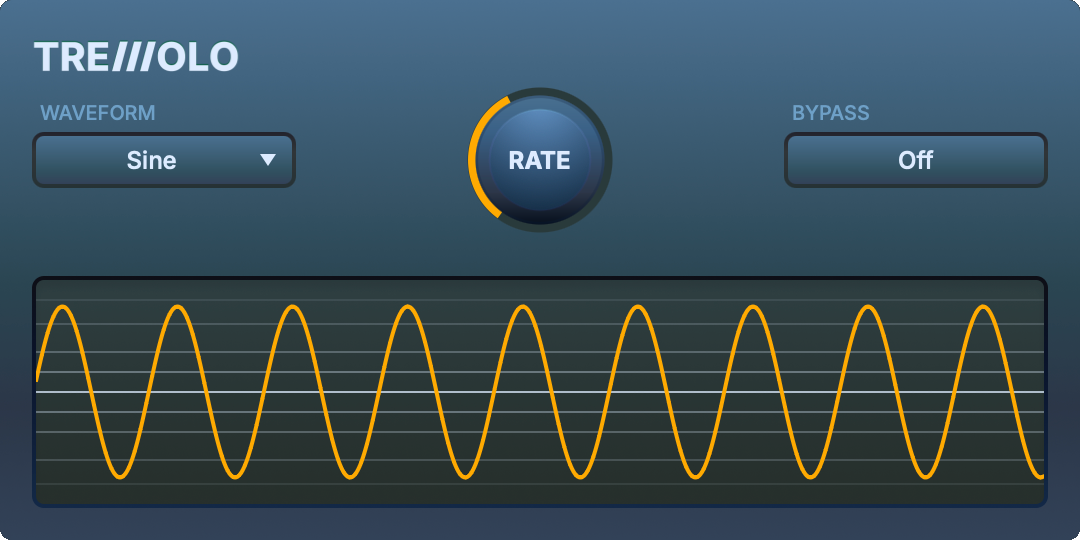
The course is not just lecture videos. It provides you with concrete guidance on how to create your very first audio plugin from scratch: a tremolo plugin.
We chose tremolo because it enables us to teach a great mix of audio processing, parameter handling, visualization techniques, and JUCE features.
In the course, you are encouraged to work on your own plugin alongside the tremolo plugin.
The course guides you through all necessary stages of audio plugin development: from an initial idea, through audio processing implementation and user interface creation to testing your plugin and sharing it with others.
Start building your plugin nowPlugin development basics
- Installing the right tools
- Plugin formats
- Plugin-DAW interaction
- What is JUCE
- Compilation
- Testing in a DAW
Audio processing
- Digital audio basics
- Audio thread
- Audio buffer
- Real-time programming
- Low frequency oscillators (LFOs)
- Tremolo
Plugin parameters
- Numeric, boolean, selectable
- Bypass handling
- Smoothing
- Saving & loading plugin state in DAWs
- Presets basics
Plugin diagnostics
- Unit tests
- Debugging
- Compiler warnings
- Assertions
- pluginval
- Sanitizers basics
Graphical user interface
- Widgets (sliders, buttons, combo boxes, labels)
- GUI thread/audio thread connection
- Styling the GUI
- Adding custom font
- Color themes
- LFO visualization
Plugin distribution
- Optimization
- Sharing your plugin
- Code signing & notarization basics
- Version management
We know what you need to learn
(and what you can skip)
The course has been created by me, Jan Wilczek (TheWolfSound.com), and the JUCE developer team.
The JUCE team is composed of expert software developers who have been developing high-quality, foundational software infrastructure for many years. They have a reputation for code clarity and robustness, and have comprehensive knowledge of both how JUCE works internally and how it should be used externally.
All course plugin code, the content, instructions, and visuals were contributed to and reviewed by the JUCE team, making this course not only authoritative but also unique.
Personally, I am a freelance audio developer and a teacher of audio programming.
In 2023, I launched the “DSP Pro” online course to teach digital audio signal processing to complete beginners. DSP is the backbone of audio plugin development; it is the theory of sound processing.
I gave talks at conferences such as DAFX and the Audio Developer Conference.
My formal training was in Acoustic Engineering and Computer Science at the AGH University of Science and Technology in Kraków, and in Advanced Signal Processing & Communications Engineering at the University of Erlangen-Nürnberg, Fraunhofer IIS (”home of mp3") in Germany. I was also a visiting student at Aalto University in Finland.
Learn JUCE now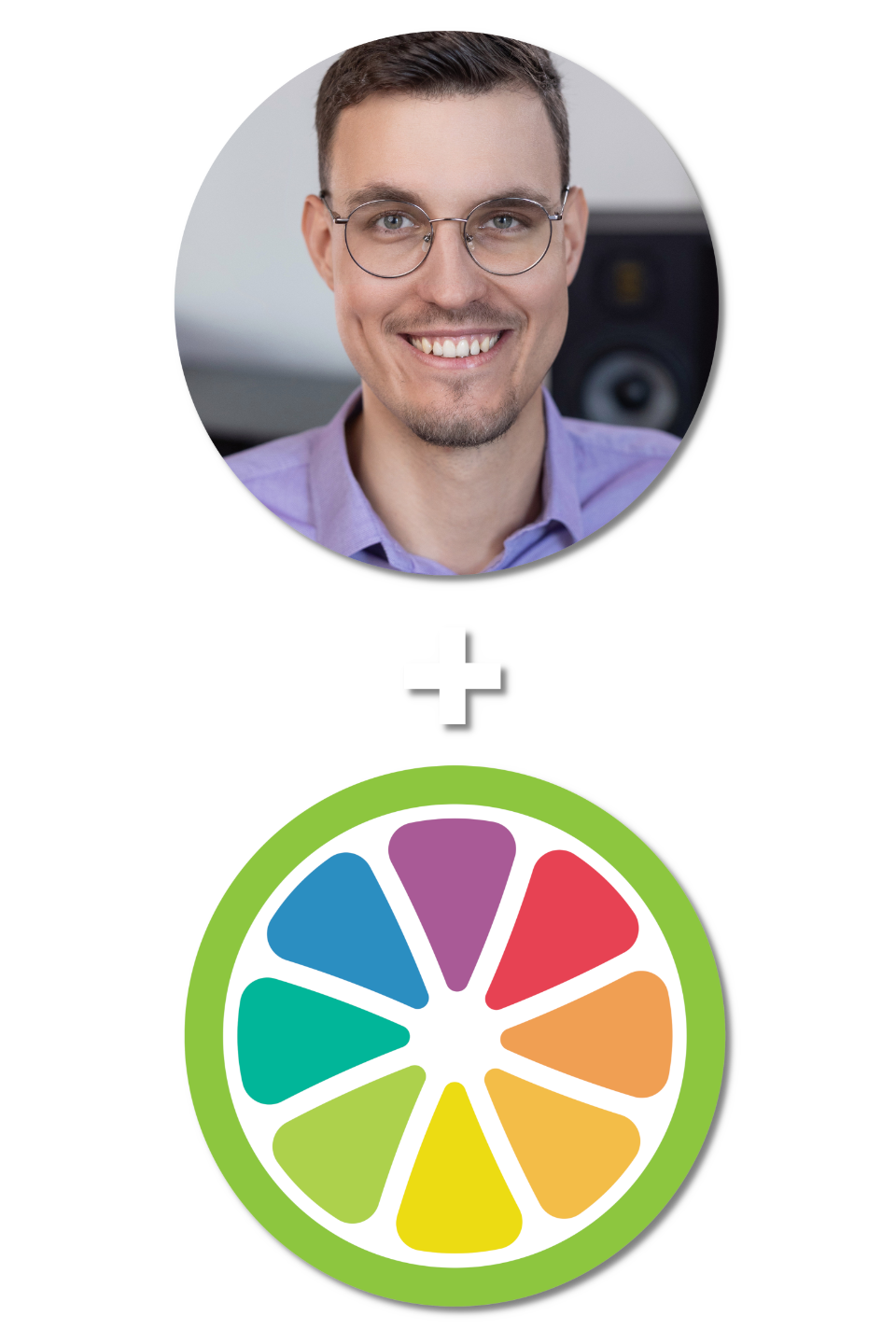
Why this course?
There are other online resources on audio plugin development. Why should you choose this course, then?
Well, it’s the only resource we know of that
✅ is a complete educational experience,
✅ has been created with complete beginners in mind,
✅ has been thoroughly reviewed and approved by the JUCE team, and
✅ is free
How much does it cost to learn audio plugin development?
- Unofficial & non-interactive book on the subject: $34.99
- Music Production & Software Engineering at Pointblank Music School for non-UK residents (3 years): £47,250
- Sound and Music Computing Master's degree at Queen Mary University of London for non-UK residents (1 year): £31,450
Why enroll now?
✅ No need to look further to learn audio plugin development: this course is all you need to get started
✅ Create your first plugin, even if you are a complete beginner, complete with audio processing, parameter management, and a graphical user interface
✅ No DSP, CMake, or plugin dev background required (all you need is very basic C++)
✅ We show you how to install any prerequisites and help you troubleshoot
✅ Ask beginner & advanced questions, get them answered
✅ Not just JUCE knowledge: audio plugin development basics and environment explained in full
✅ Official source: the course has been thoroughly reviewed and approved by the JUCE team
✅ Higher chance of landing an audio development job: gain a competitive advantage by learning JUCE
✅ Easier to digest, work on, and learn from than a book
✅ Connect and interact with others in the JUCE Study Community to get up to speed on C++ and feel inspired (a separate offer)
It’s risk-free because it’s cost-free
The course is entirely free. No paywalls, no subscription fees, no need to subscribe to marketing emails.
The course is designed to empower you to build the plugin you dream of. We do not make a cent out of it.
Can I get a VAT invoice for the course?
I am a musician/music producer/sound engineer/software engineer. Is the course for me?
I have some JUCE experience. Is the course for me?
I am an audio plugin developer but I don’t use JUCE. Can I benefit from the course?
What are the prerequisites for the course? Do I need to know DSP or C++?
Can I use the course materials in my teaching?
Is there a catch for the course’s price?
What if I don’t like the course?
P.S. Don’t wait.
The sooner you start, the sooner you’ll create your first plugin.
Create your first audio plugin now